 English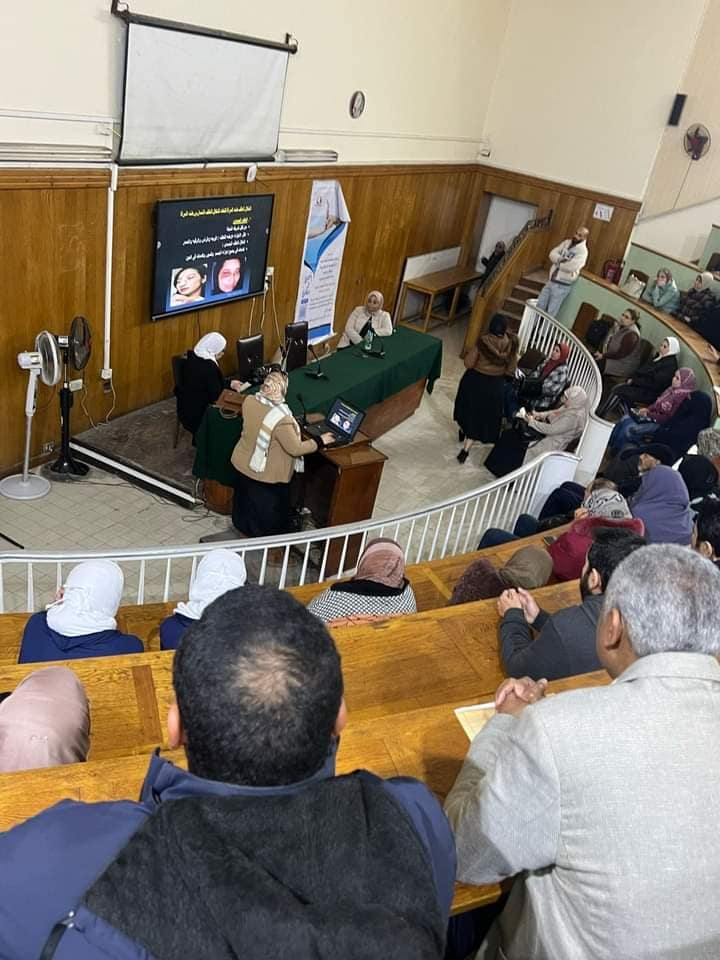
Faculty News
Faculty of Engineering Students Win First Places in Annual Summer Training Competition at University of Louisville, USA
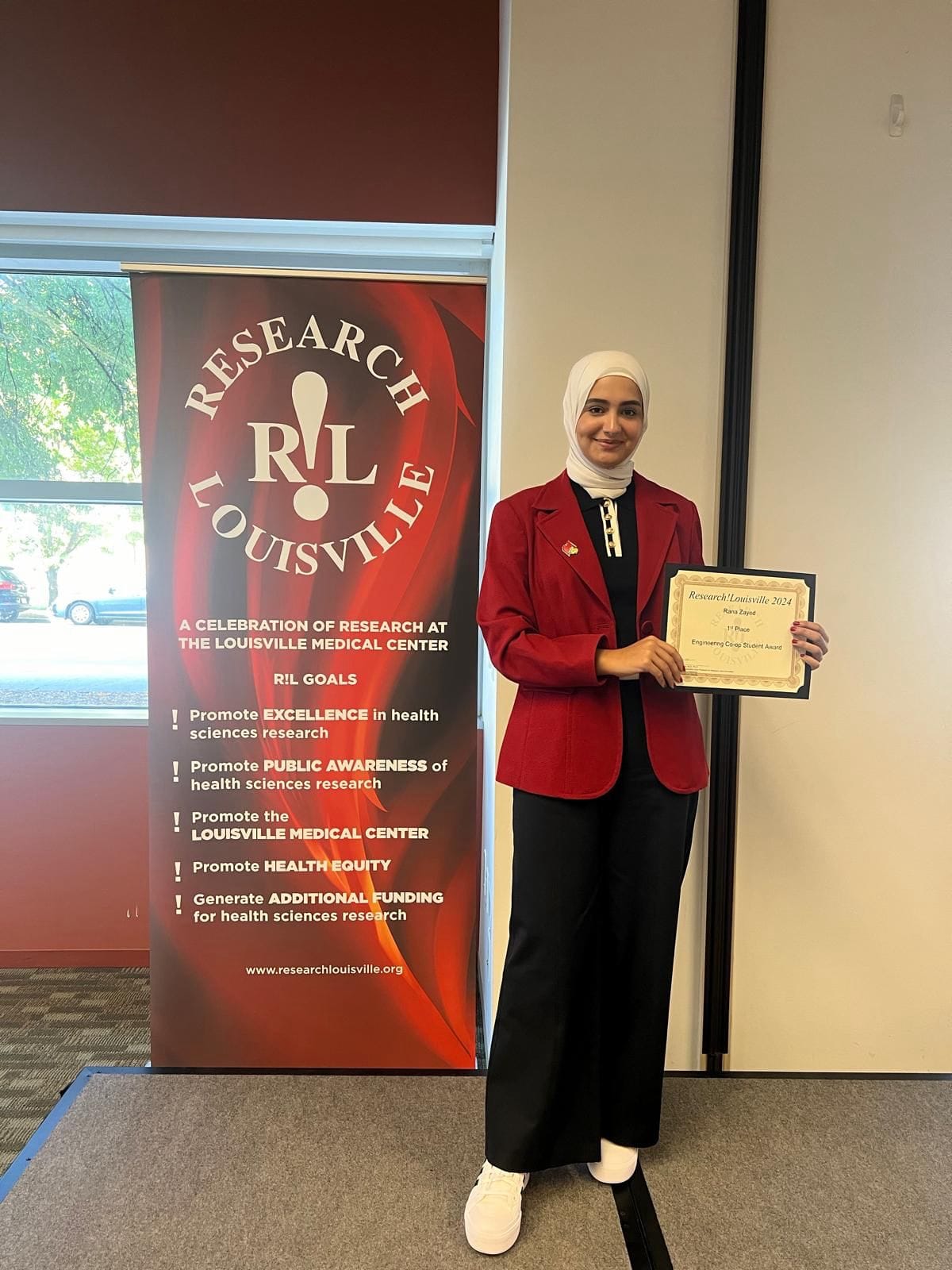
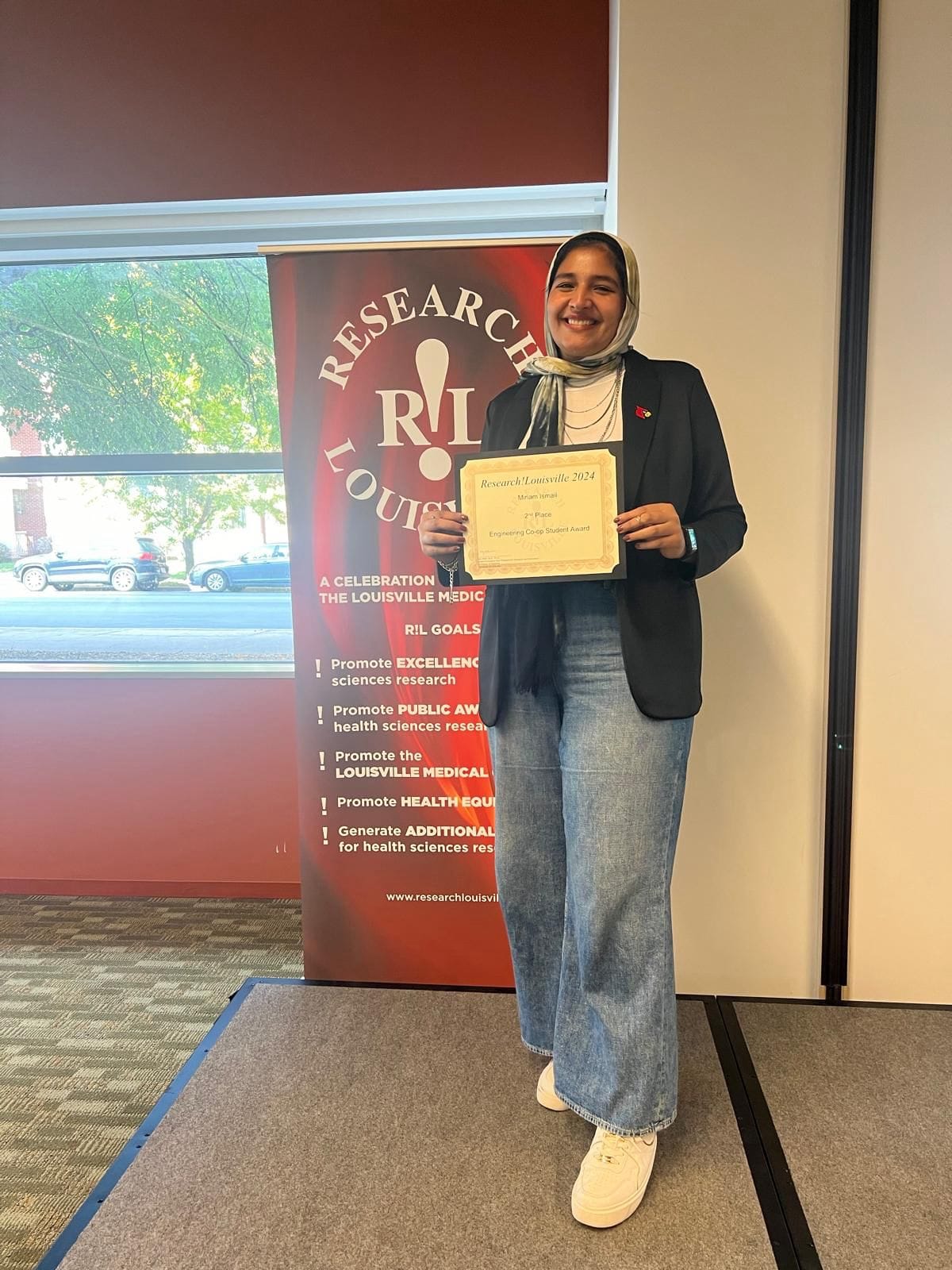
Professor Dr. Abdelaziz Konsowa, President of Alexandria University, congratulated the students of the Faculty of Engineering participating in the summer training program at the University of Louisville, USA, on the occasion of achieving first places in the annual summer training competition at the University of Louisville, where student Rana Mohamed El-Saeed Zayed won first place, and student Mariam Nabil Abdelfattah Ismail won second place.
It is worth noting that the summer training program comes within the framework of the distinguished partnership between Alexandria University and the University of Louisville, USA, over the past years, which includes the partnership in summer training in research laboratories at the University of Louisville, and the partnership in the 2+2 bachelor's programs to grant double degrees in computer science and engineering, and biomedical engineering majors.
This year will witness the graduation of the first group that joined the University of Louisville through this partnership in the field of biomedical engineering, numbering five students.
Faculty of Tourism and Hotels Celebrates Graduation of First Class of Exchange Education Program for Restaurant Management and Operation
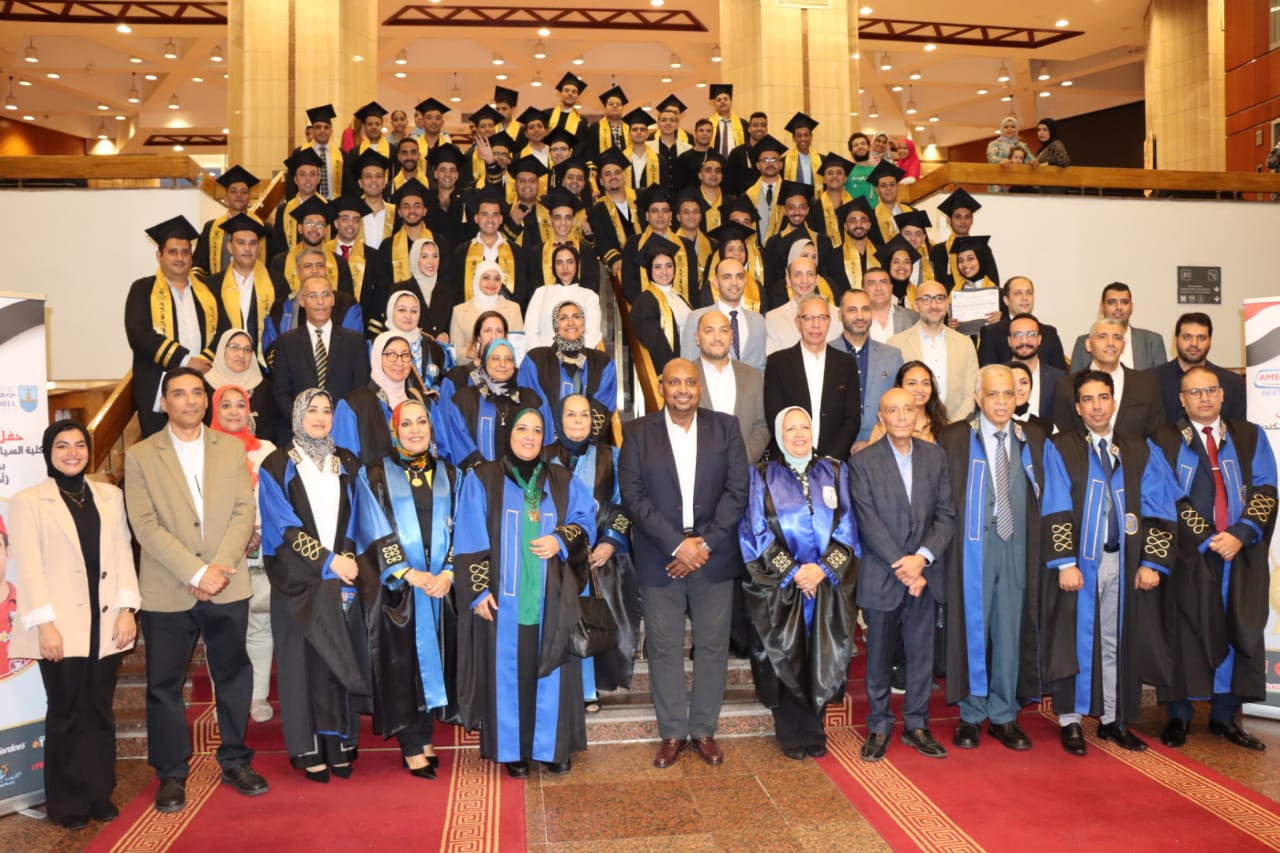
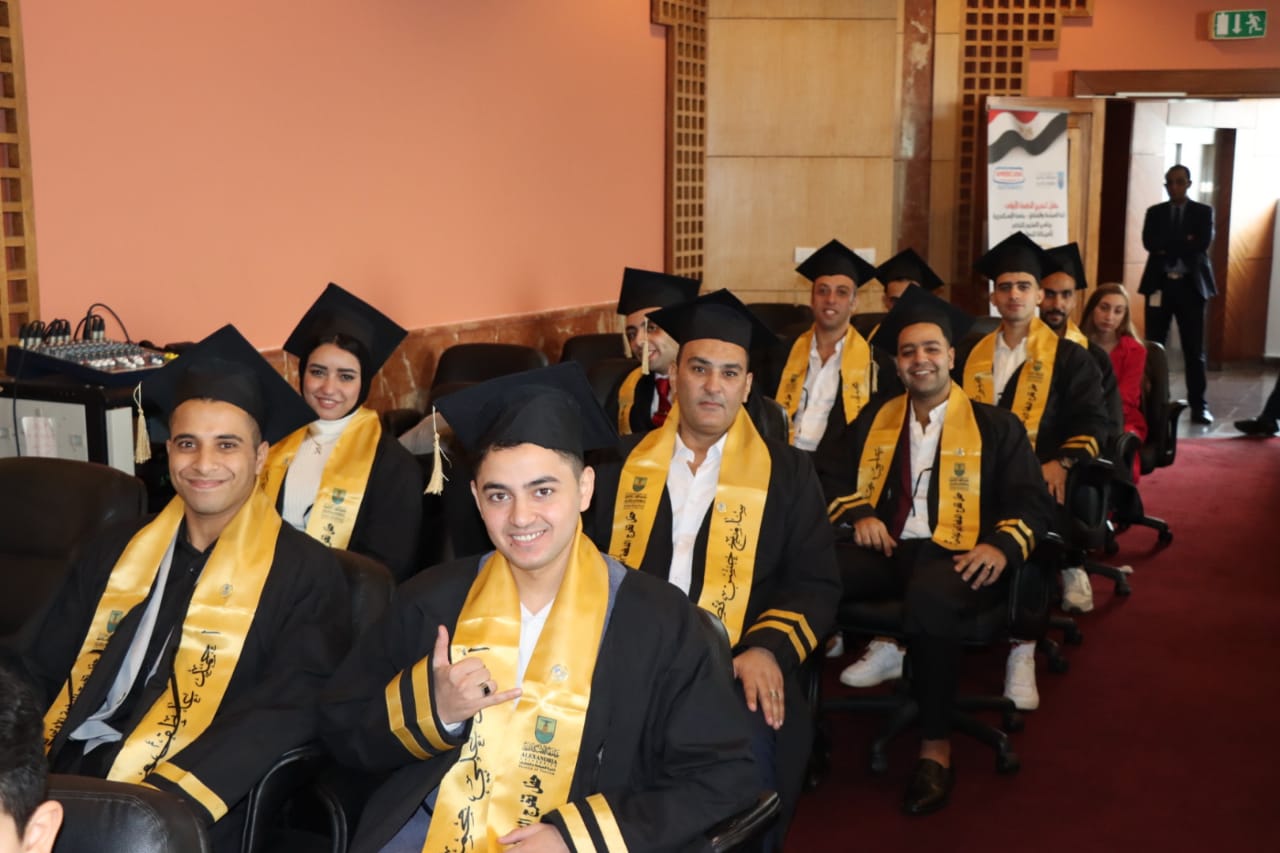
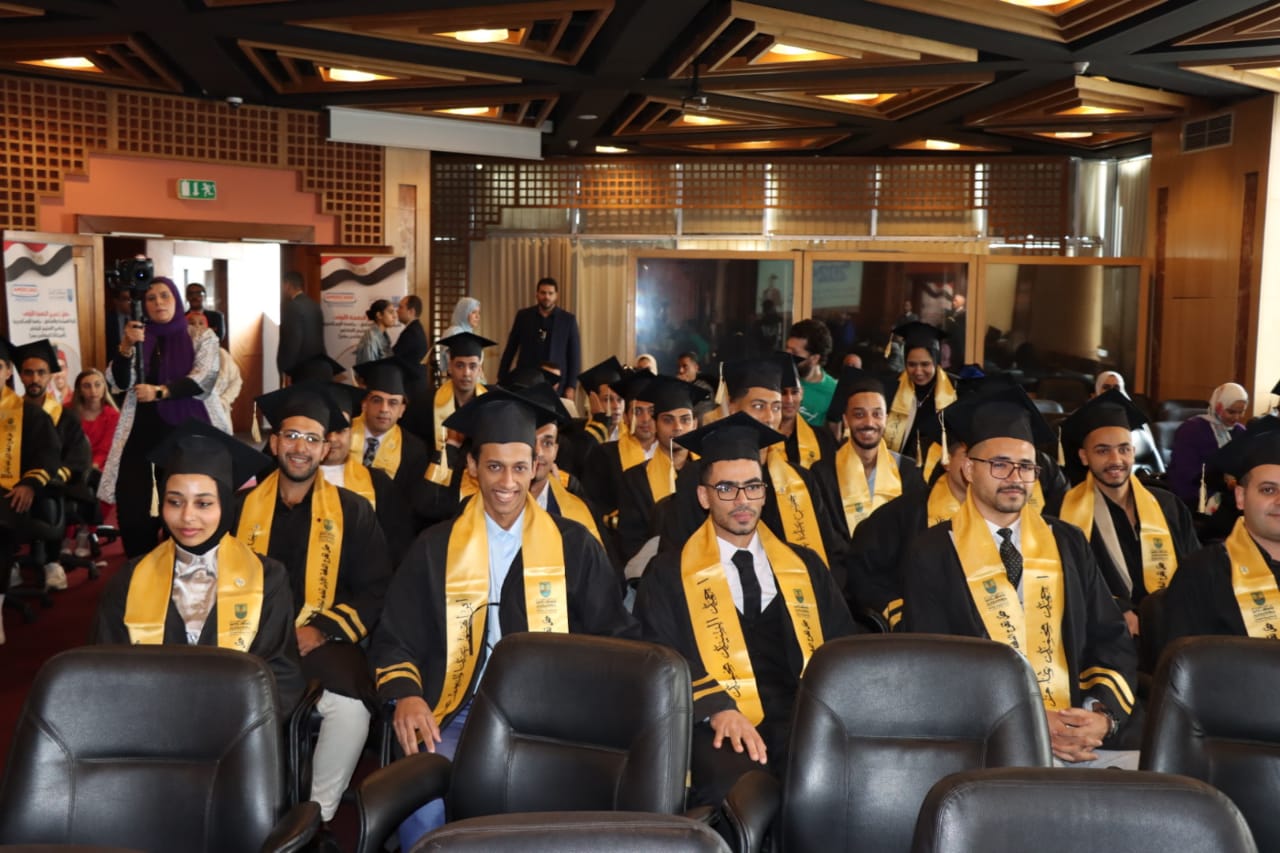
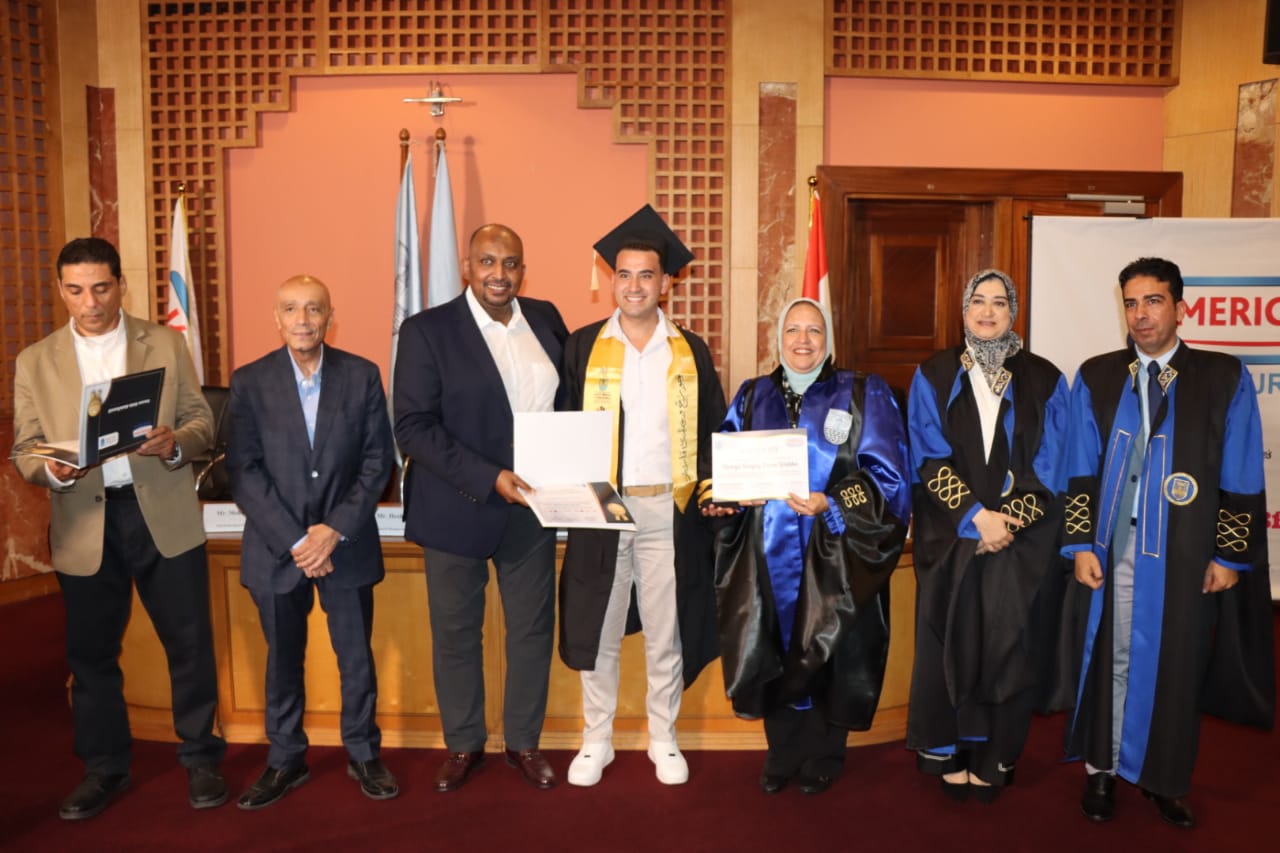
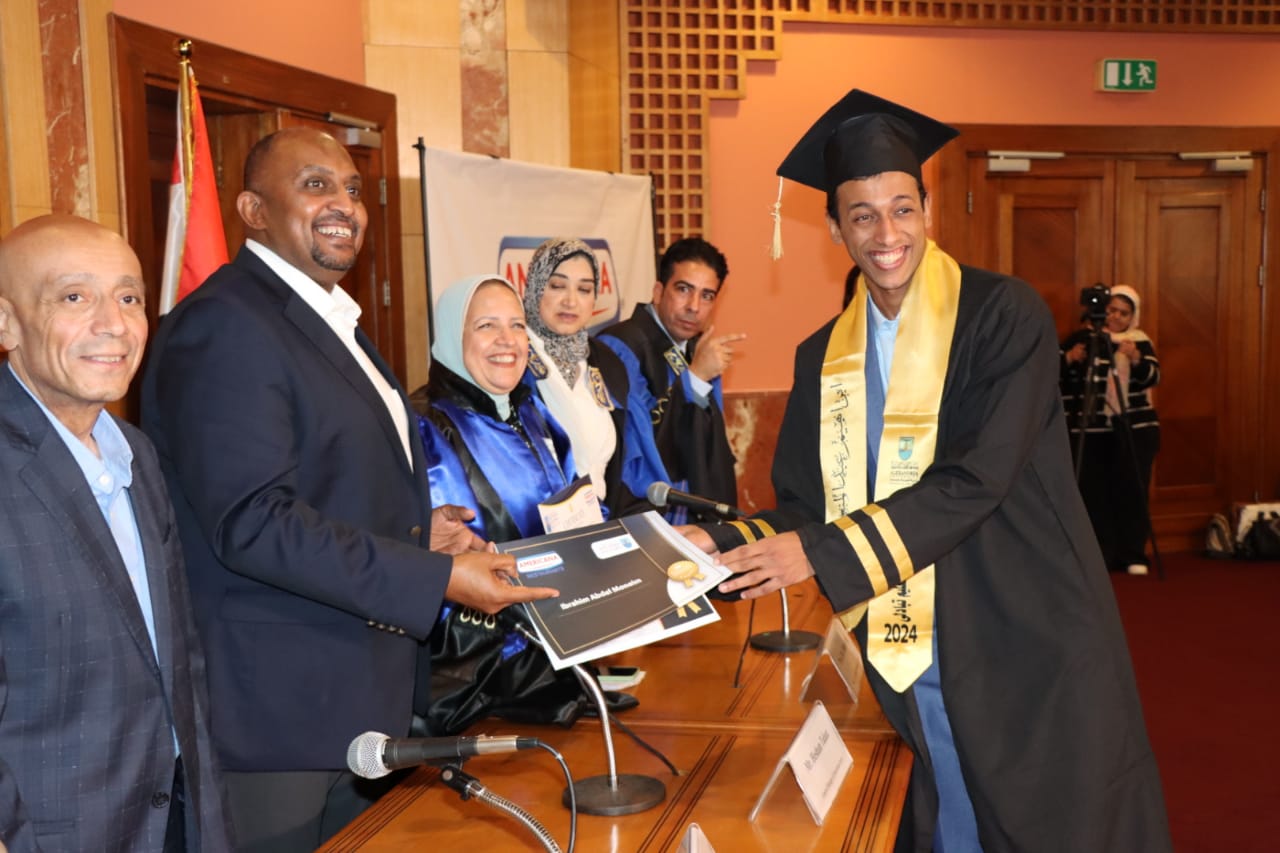
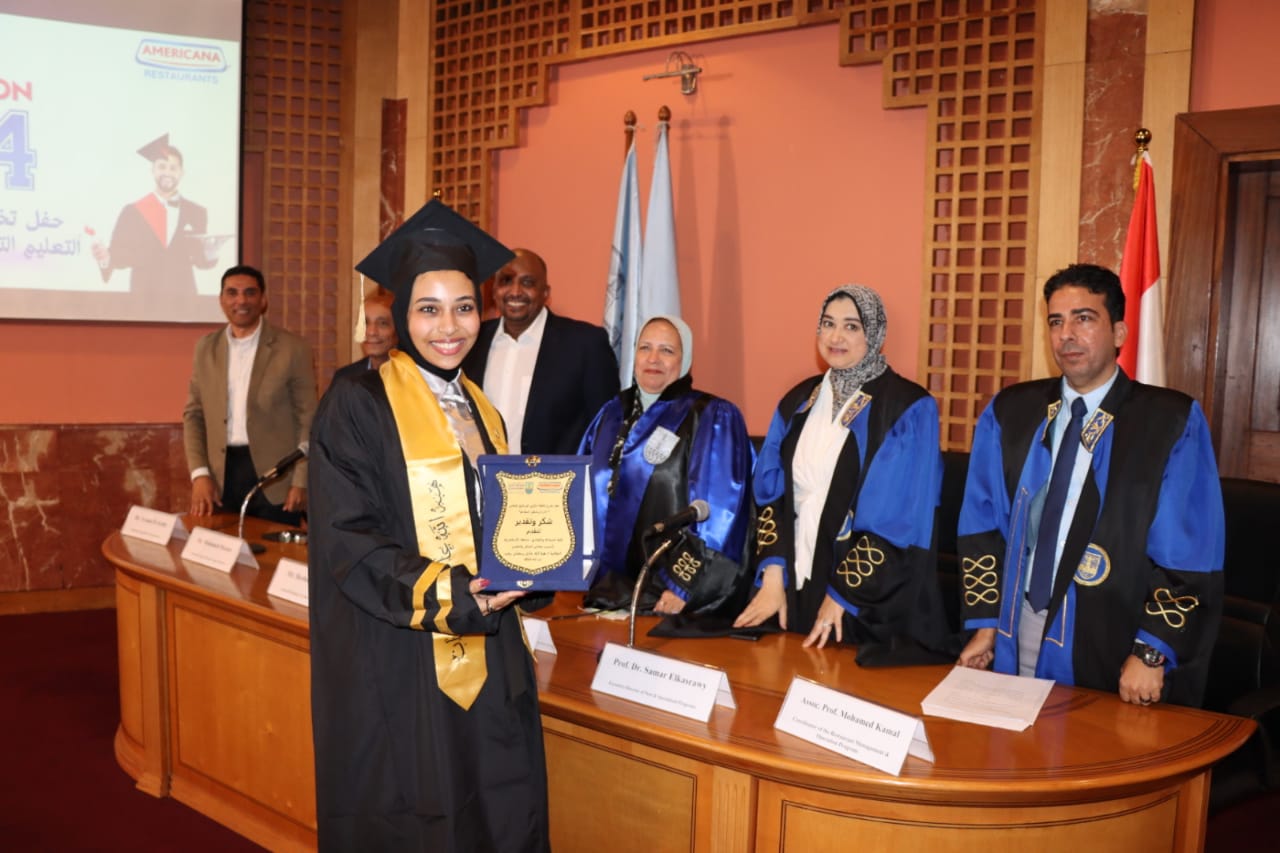
Under the auspices of Professor Dr. Abdelaziz Konsowa, President of Alexandria University, the Faculty of Tourism and Hotels celebrated the graduation of the first batch of the Exchange Education Program for Restaurant Management and Operation for the academic year 2023-2024 in cooperation with Americana Restaurants Egypt.
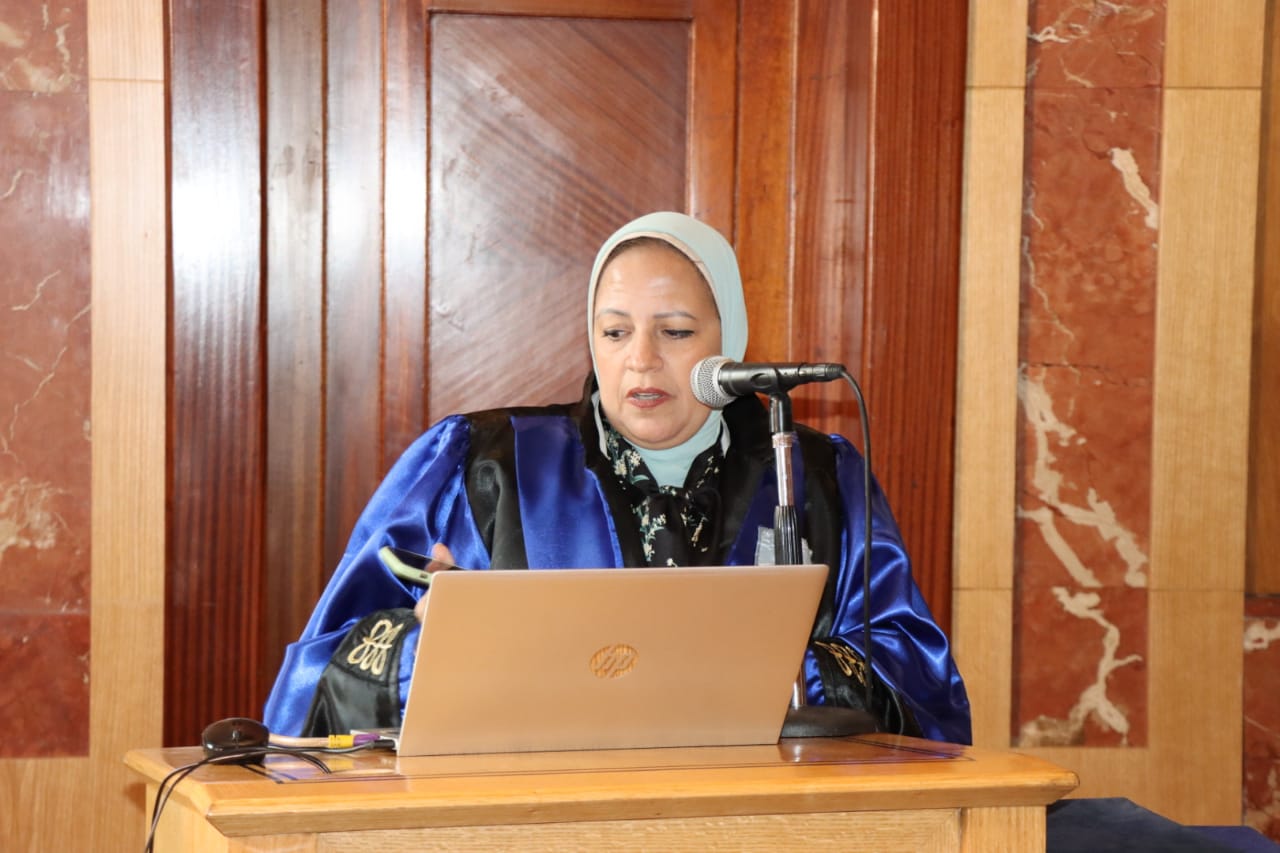
The event took place at the Bibliotheca Alexandrina, in the presence of Dr. Abeer Attia, Dean of the Faculty of Tourism and Hotels, Dr. Hanan El-Assar, Vice Dean of the Faculty for Education and Student Affairs, Dr. Nashwa Fouad, Vice Dean of the Faculty for Graduate Studies and Research, Dr. Dina Ezz El-Din, Vice Dean of the Faculty for Community Service and Environmental Development Affairs, Dr. Samar Al-Qasrawi, Executive Director of New and Specialized Programs at the Faculty, Dr. Mohamed Kamal, Program Coordinator at the Faculty, Dr. Jilan El-Demerdash, Head of the Department of Hotel Studies, Mr. Hesham Talaat, Executive Director of Americana Restaurants Egypt, Mr. AymanEAl-Arabi, Executive Director of Human Resources and Director of the Costa Coffee Restaurant Chain, and Mr. Mohamed Hassan, Managing Director At Americana Egypt Company, in addition to a group of faculty members, assistants and administrators at the faculty, as well as students and their parents.
In her speech, Dr. Abeer Attia congratulated the graduates and their parents on the occasion of their graduation, which is considered the culmination of their efforts over four consecutive years. She also thanked Dr. Abdelaziz Konsowa, President of Alexandria University, for providing full support to the exchange programs at the university to graduate a student qualified for the requirements of the labour market. Dr. Abeer Attia indicated that this program began in 2020 in cooperation between Alexandria University, represented by the Faculty of Tourism and Hotels, and Americana Restaurants Egypt Company, with the aim of helping students study and work together and graduate a student qualified for the labour market. She added that Alexandria University is the second university at the level of Egyptian universities to have this program after Helwan University. At the end of her speech, Dr. Abeer thanked Americana Company for providing full support to students during their study period. She also thanked all those in charge of the program at the faculty, including faculty members, assistants and administrators.
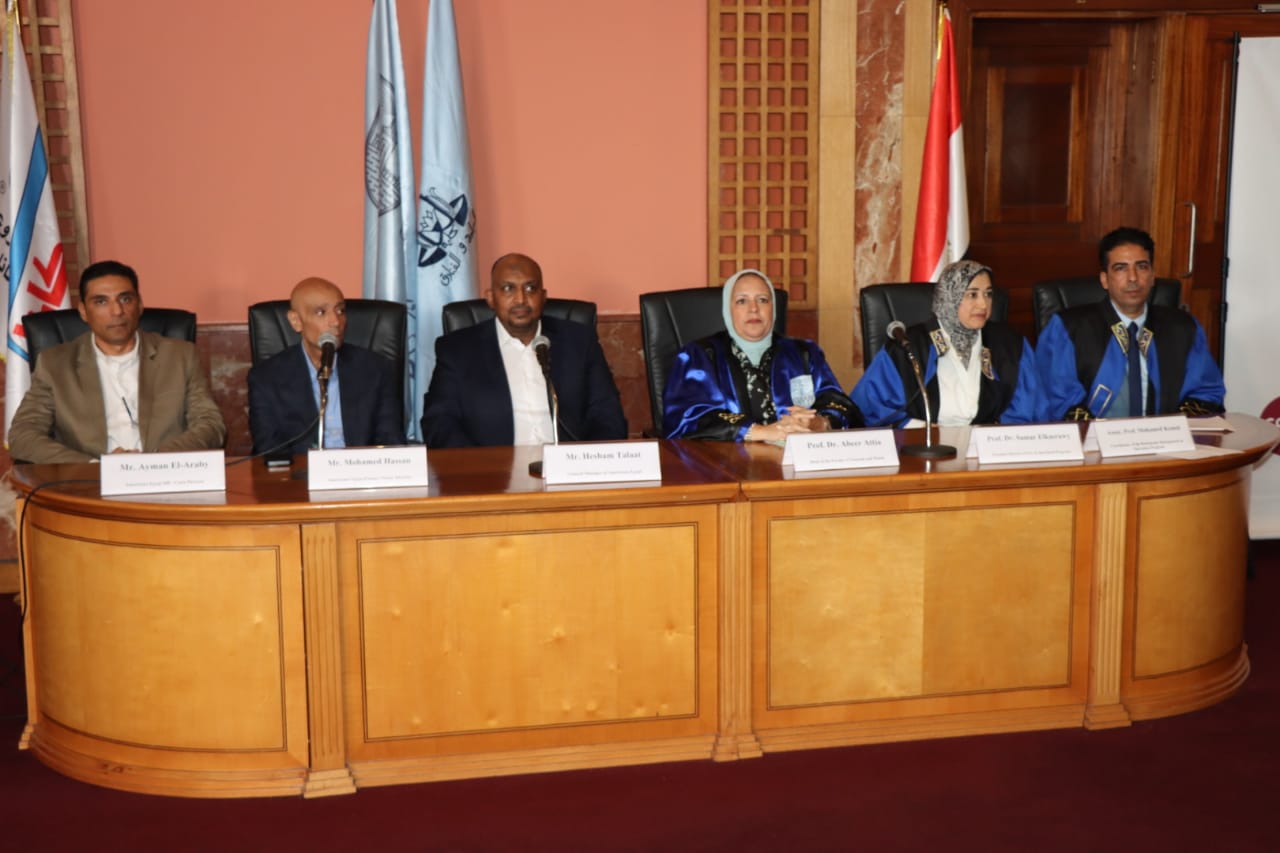
Dr. Mohamed Kamal stressed in his speech the importance of this type of unconventional education and the existence of a program that links education to industry, meets the needs of the labour market and helps build the country's economy. He also congratulated the students on their graduation.
Mr. Hesham Talaat, CEO of Americana Egypt, stressed the importance of this event, which witnesses the culmination of years of effort and fruitful cooperation between two prestigious institutions that share a common goal of preparing a generation of ambitious young people qualified to face the challenges of the labour market, and the reflection of this cooperation in the application of the reciprocal education model that provides students with the opportunity to train and work to gain valuable experiences that add to their academic balance.
Mr. Ayman El-Arabi, Executive Director of Human Resources at Americana, explained that the company did not only provide educational opportunities, but also provided integrated life experiences, so today we celebrate the graduation of 67 male and female students who are writing success stories in the tourism and hospitality sector, as these young people are symbols of change in society.
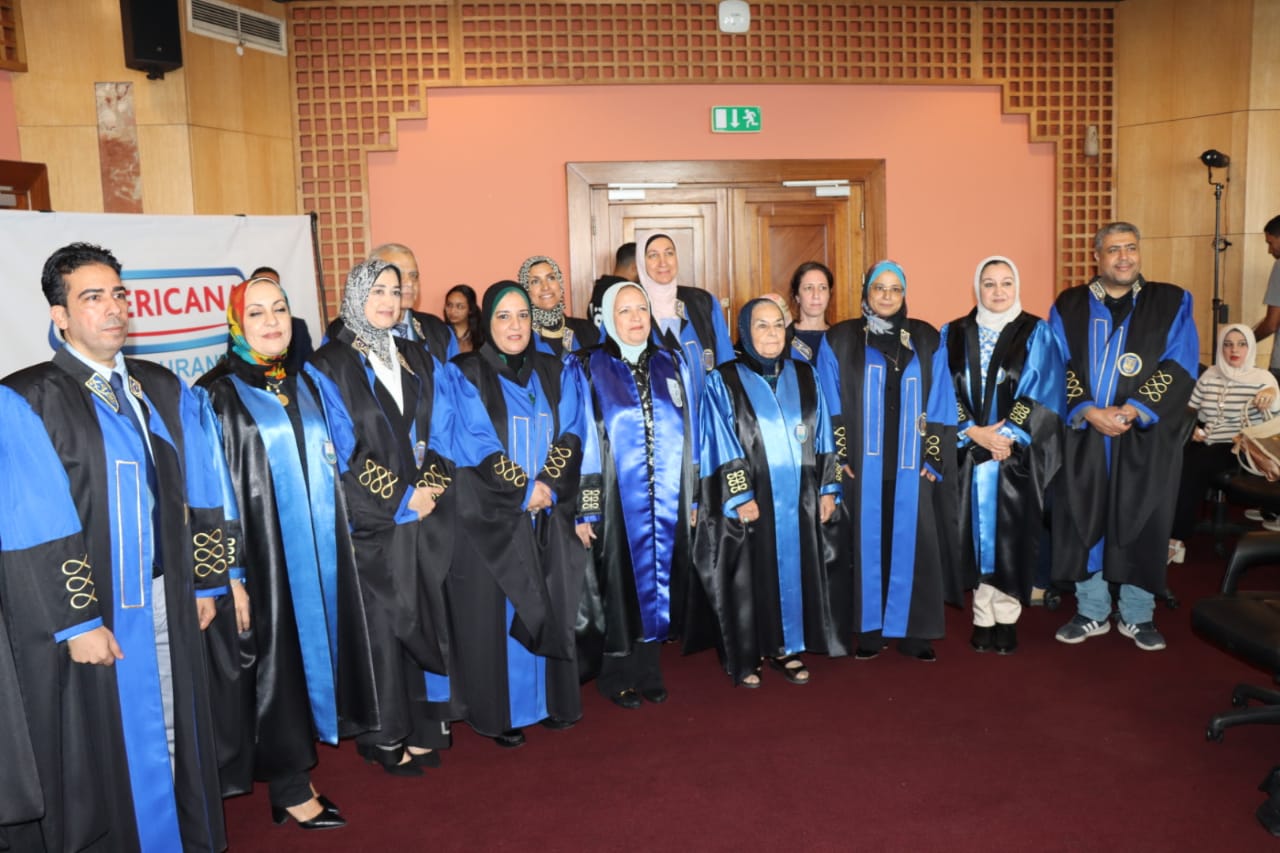
The High Institute of Public Health at Alexandria University Organizes a Conference on “Antimicrobial Resistance: Current Situation and Challenges”
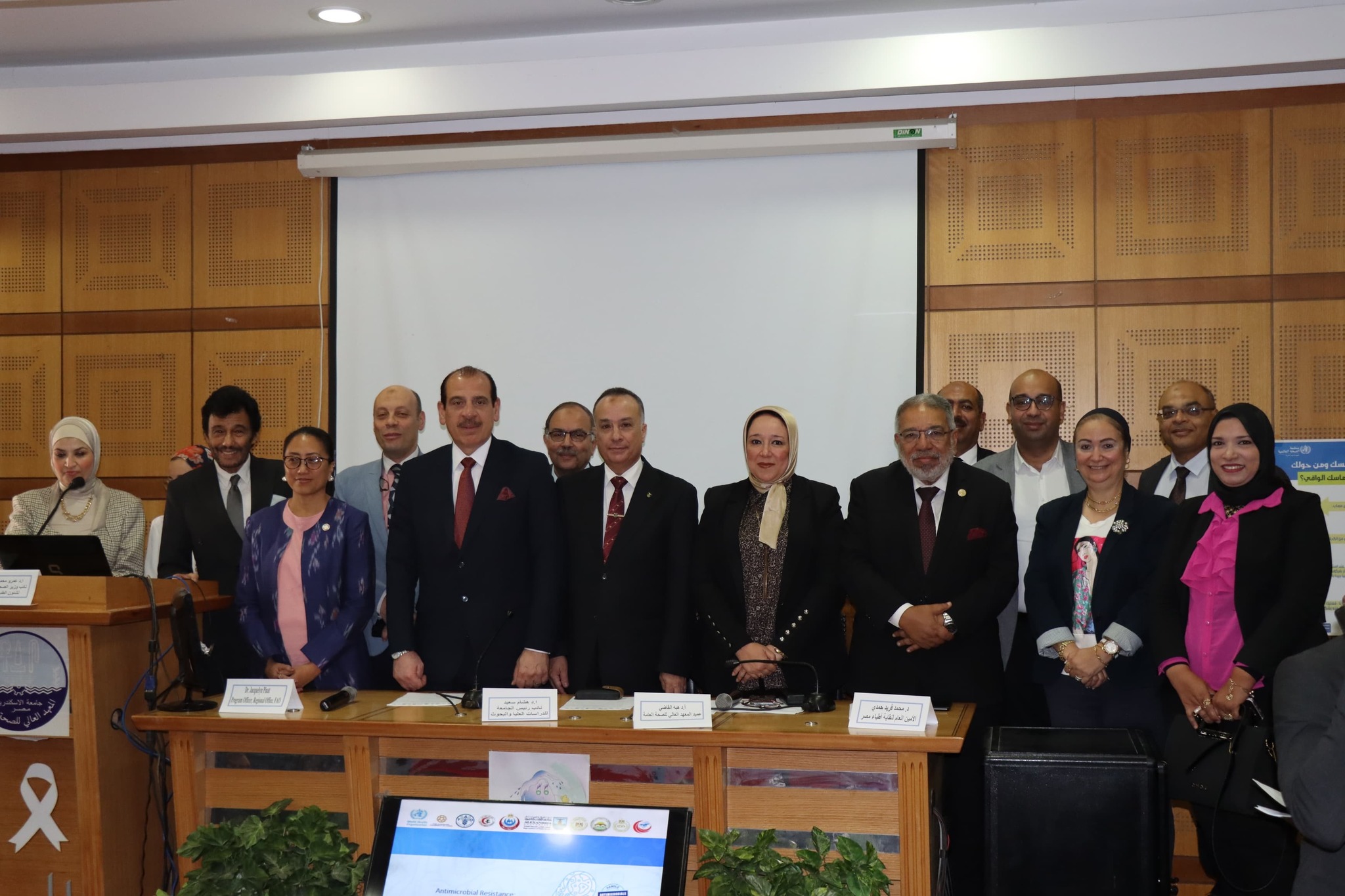
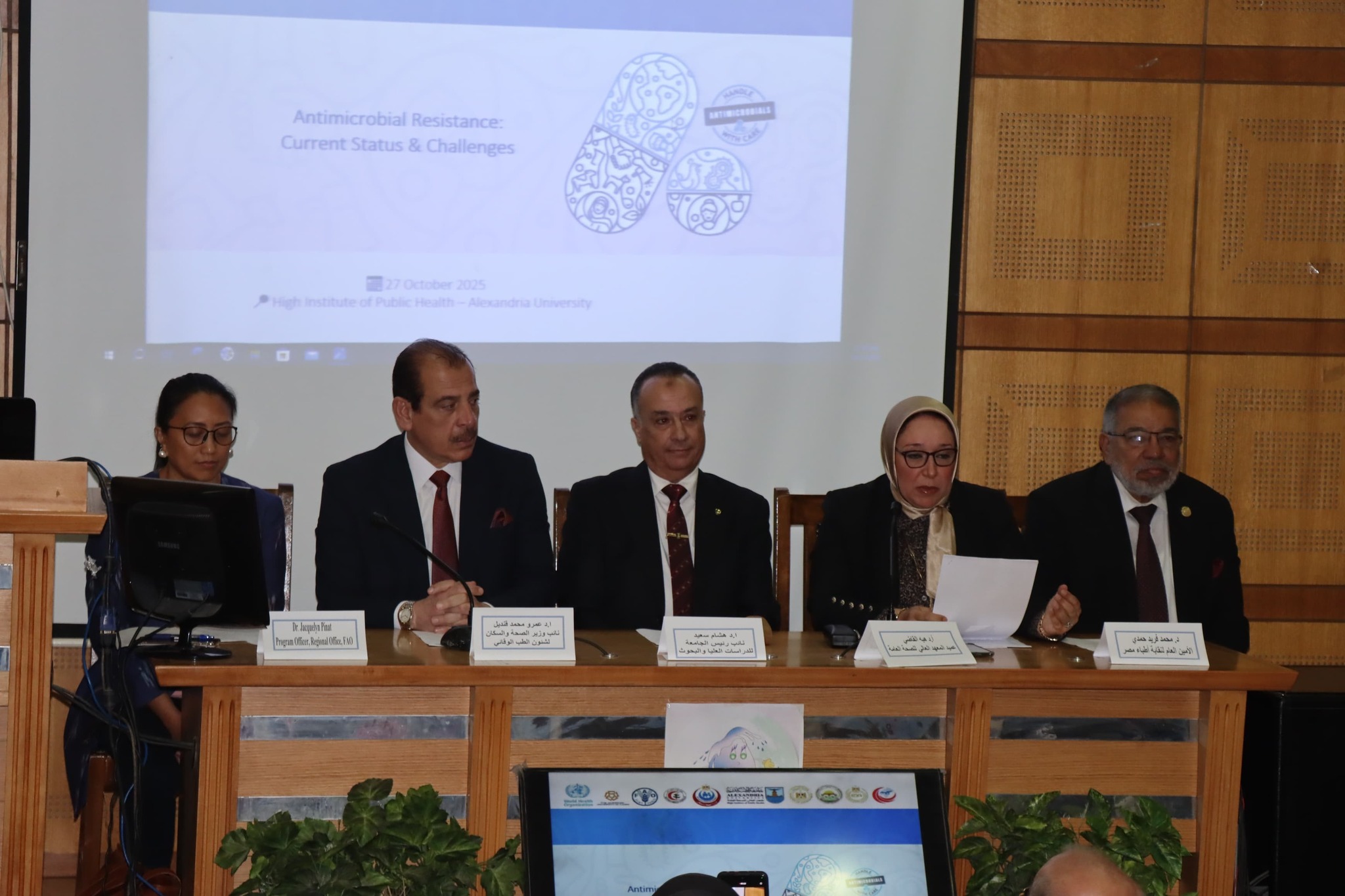
Under the auspices of Prof. Dr. Abdelaziz Konsowa, President of Alexandria University, the High Institute of Public Health organized on Monday, October 27, 2025, a scientific conference entitled “Antimicrobial Resistance: Current Situation and Challenges.” The event witnessed wide participation from representatives of governmental bodies, international organizations, and Egyptian universities.
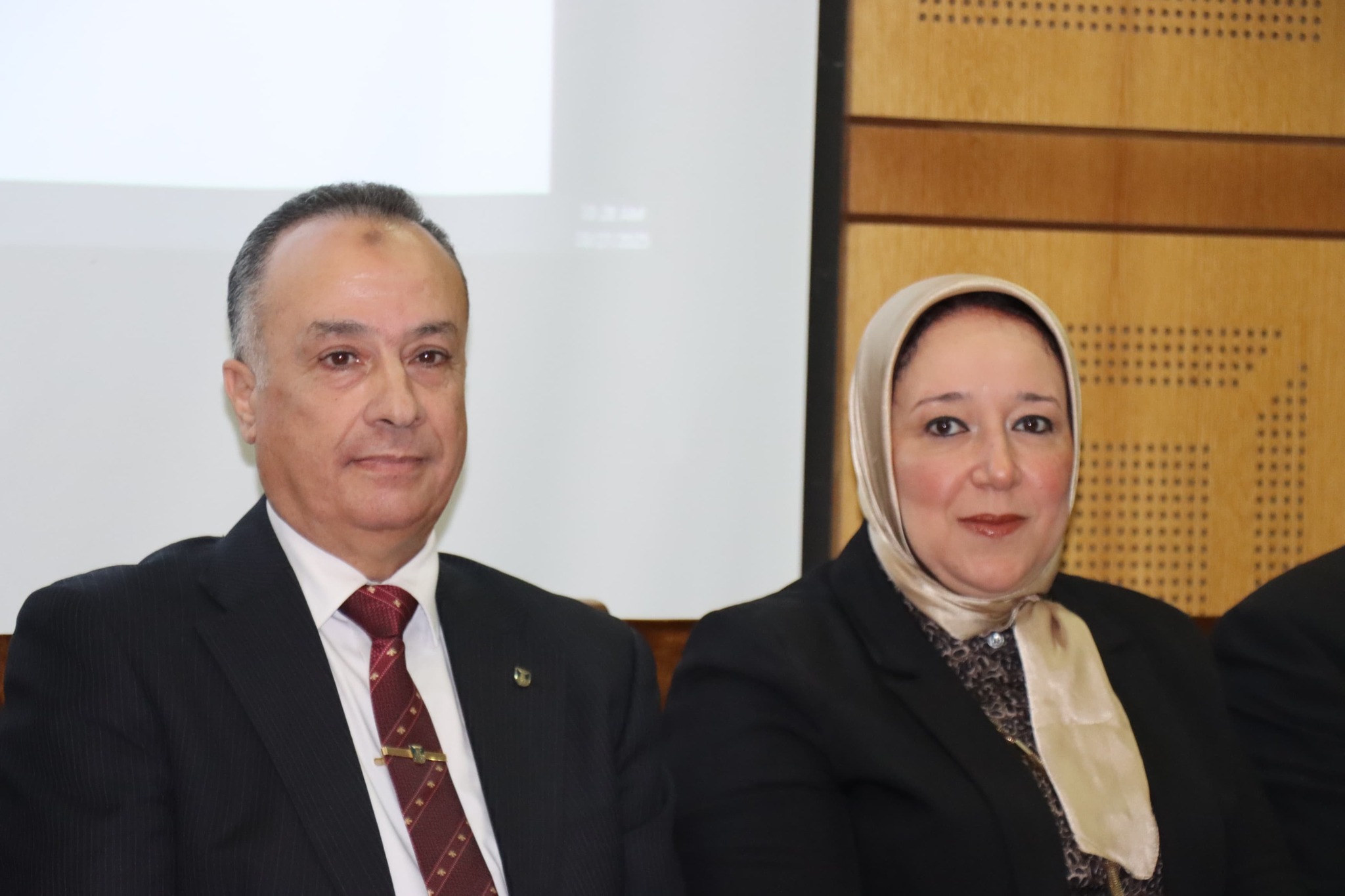
The conference was attended by Prof. Dr. Hesham Saeed, Vice President of Alexandria University for Graduate Studies and Research; Prof. Dr. Heba El-Qady, Dean of the High Institute of Public Health; Prof. Dr. Amr Kandil, Deputy Minister of Health and Population for Preventive Medicine; Dr. Jacqueline Benat, Representative of the Regional Office of the Food and Agriculture Organization (FAO); Dr. Mohamed Farid Hamdy, Secretary-General of the Egyptian Medical Syndicate; Dr. Mohamed Badran, Undersecretary of the Ministry of Health in Alexandria; and Dr. Sameh Riyad, Undersecretary of the Ministry of Environment in Alexandria, along with vice-deans of the Institute, experts, academics, and faculty members from various faculties of Alexandria University.
The conference sessions were presented by Prof. Dr. Ibrahim El-Kordany, distinguished scholar at the Institute and former official spokesperson of the World Health Organization (WHO), while the discussion panel was moderated by Prof. Dr. Ahmed Mandil, Professor of Epidemiology at the Institute.
High-level representatives from the Ministries of Health and Population, Agriculture, and Environment, the Egyptian Drug Authority, the General Organization for Veterinary Services, the Egyptian Medical Syndicate, and international organizations such as the World Health Organization (WHO), the Food and Agriculture Organization (FAO), the American University in Cairo, and the Eastern Mediterranean Public Health Network also took part in the event.
The conference addressed several key themes, including:
Analysis of the global, regional, and national situation of antimicrobial resistance (AMR);
Improving practices across healthcare, food production, and environmental sectors;
Promoting infection prevention and control within the framework of the “One Health” approach that integrates human, animal, and environmental health.
In his opening remarks, Prof. Dr. Hesham Saeed emphasized that the conference reflects Alexandria University’s and the Institute’s pioneering role in supporting applied scientific research and tackling priority public health issues nationally and globally. He stated that antimicrobial resistance represents one of the most serious threats to global public health, as it leads to treatment difficulties, increased disease and mortality rates, and higher economic burdens. He explained that the excessive and uncontrolled use of antibiotics in humans and animals, as well as their use in agriculture and aquaculture as growth promoters, has accelerated the development of resistant microbial strains. Dr. Saeed stressed the importance of strengthening regulations governing antibiotic use, enforcing safe disposal of medical waste, and addressing the global decline in the discovery of new antimicrobial agents.
Prof. Dr. Amr Kandil highlighted that the conference aligns with the Ministry of Health’s efforts to curb the spread of antimicrobial resistance and enhance healthcare quality. He referred to the National Plan to Combat Antimicrobial Resistance, launched in 2023, which has been implemented in 96 hospitals nationwide, with six hospitals being upgraded to international Centers of Excellence in infection control.
For her part, Prof. Dr. Heba El-Qady noted that antimicrobial resistance is among the greatest public health threats worldwide, leading to loss of treatment efficacy, increased mortality rates, and higher healthcare costs. She emphasized that AMR is not only a medical issue but also a societal one that requires close collaboration among all sectors within the “One Health” framework. She added that the conference aims to enhance research cooperation and develop effective national and regional strategies to curb the spread of resistant microbes and promote the rational use of antibiotics.
In a recorded message, Dr. Nehme Abed, WHO Representative in Egypt, stressed the need for joint efforts across health, environmental, and agricultural sectors under the “One Health” approach. He warned that antimicrobial resistance could cause more than 10 million deaths by 2050, highlighting the close cooperation between the WHO and the Egyptian government in implementing the national AMR action plan.
Dr. Jacqueline Benat, FAO Representative, underscored the importance of examining the impact of antimicrobial resistance not only on humans but also on the environment and livestock. She emphasized the necessity of integrated collaboration among all sectors to achieve the Sustainable Development Goals (SDGs).
Dr. Sameh Riyad, Undersecretary of the Ministry of Environment in Alexandria, stressed the need to consider the environmental determinants of antimicrobial resistance—particularly regarding fisheries, water resources, and waste disposal from hospitals and healthcare centers—and highlighted the Ministry’s efforts in cooperation with other sectors to address this issue comprehensively.
Meanwhile, Dr. Mohamed Farid Hamdy, Secretary-General of the Egyptian Medical Syndicate, and Dr. Abdel Moneim Fawzy, Head of the Alexandria Medical Syndicate, expressed the Syndicate’s full support for initiatives that promote better public health outcomes, hoping the conference’s recommendations will lead to tangible improvements benefiting Egyptian citizens.
Finally, the Department of Microbiology at the Institute presented a series of scientific research studies focused on antimicrobial resistance and potential alternative treatments explored through departmental research projects.
Alexandria University Launches the EU-Funded AGROW-HUB Project to Promote Sustainable Solutions for Agricultural Waste Management

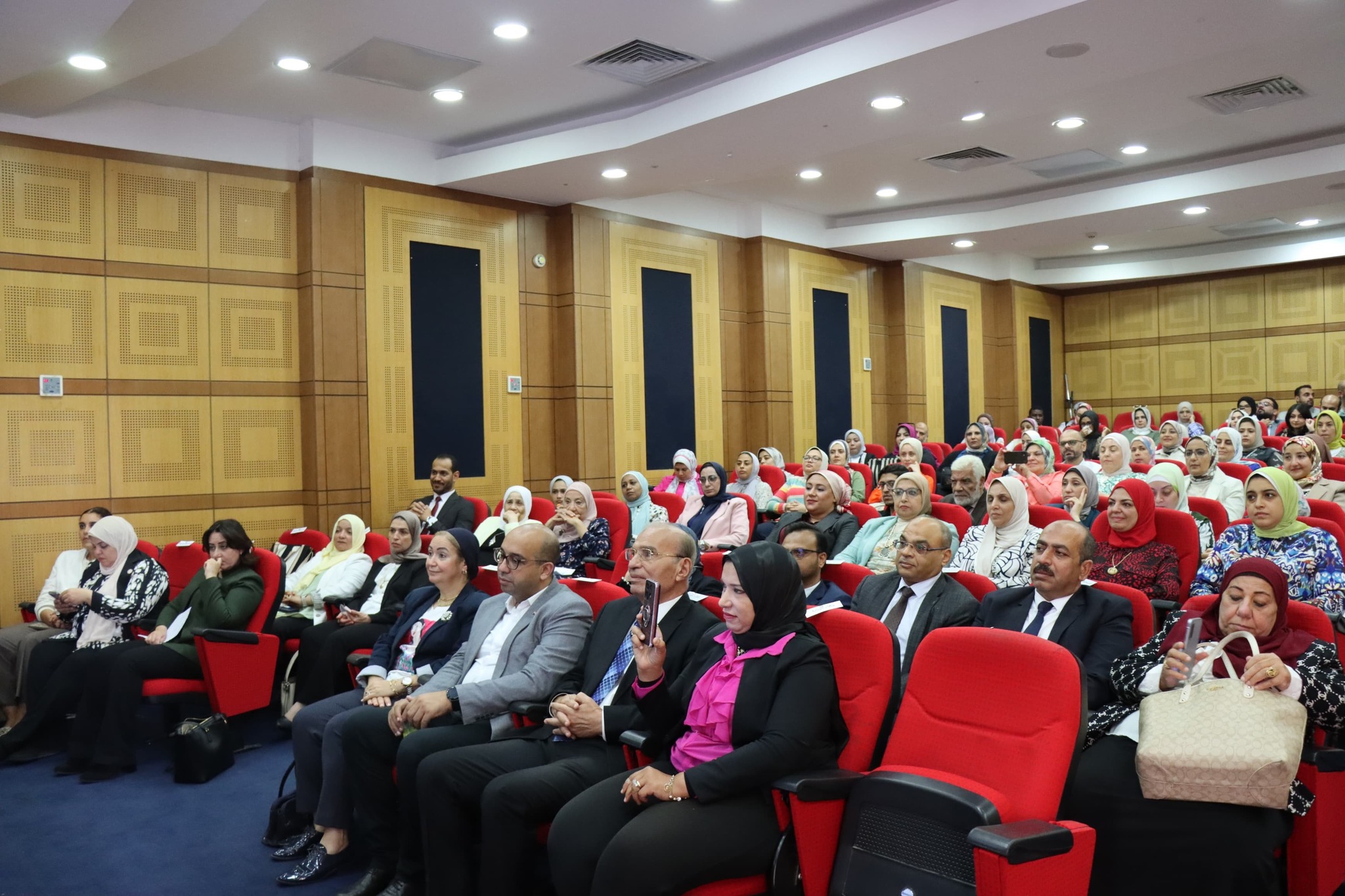
Within the framework of Alexandria University’s commitment to supporting sustainability, innovation, and linking scientific research to development priorities, the University has launched the AGROW-HUB project, funded by the European Union. The project aims to promote sustainable solutions for agricultural waste management and transform it into value-added products, thereby supporting the circular bio-economy and strengthening academic and industrial partnerships at both the regional and international levels.
Alexandria University – as the coordinating institution of the AGROW-HUB project – held the official kick-off meeting for the project entitled “Enhancing Education, Innovation, and Entrepreneurship Capacities for Sustainable Green Agricultural Waste Solutions in the South Mediterranean”, funded by the European Union, during the period from 17 to 20 December, marking the official start of the approved project activities.
The project is implemented under the Erasmus+ Programme (Capacity Building in Higher Education – CBHE) and will run for three years, aiming to support the transition toward more sustainable practices in agricultural waste management and to enhance the role of universities in innovation and entrepreneurship.
The Bibliotheca Alexandrina hosted the project’s public launch event as part of the official kick-off activities, with wide participation from local and international partners. The event witnessed extensive collaboration among a distinguished group of Egyptian, European, and Tunisian universities, in addition to representatives of governmental bodies, relevant authorities, and industry partners.
Prof. Hanan El-Gawaily, Dean of the Faculty of Pharmacy at Alexandria University, affirmed that the AGROW-HUB project represents a strategic step toward strengthening the University’s role in supporting the circular economy and sustainability. She added that the project focuses on curriculum modernization, capacity building, and linking education to innovation and labor market needs, achieving tangible academic and societal impact and enhancing Alexandria University’s international partnerships in the South Mediterranean region.
Dr. Iman Shawky, Head of the Pharmacognosy Department at the Faculty of Pharmacy, Alexandria University, and General Coordinator of the AGROW-HUB project, noted that the project’s launch embodies an effective model of cooperation among universities, the industrial sector, policymakers, and society, with the aim of translating knowledge into practical, implementable applications. She explained that the project will focus on developing training programs and modern courses, establishing applied laboratories (Living Labs), supporting entrepreneurship, and incubating start-up ideas, thereby contributing to job creation and the development of sustainable value chains based on green technologies.
The project consortium includes the following universities: Ain Shams University; the Universities of Monastir and Sousse (Tunisia); Aristotle University of Thessaloniki and the University of West Attica (Greece); the German University in Cairo; the University of Turin (Italy) and the University of Turin Business Incubator and Technology Transfer Company; Minia University; and the University of Barcelona (Spain).
The AGROW-HUB project aims to address the environmental and socio-economic challenges resulting from the limited utilization of agricultural and agri-food industrial waste in the South Mediterranean region by strengthening partnerships between universities, governmental bodies, and industrial sectors in Egypt, Tunisia, Greece, Italy, and Spain.
The project also seeks to build an integrated circular bio-economy model based on green technologies through updating and developing academic curricula, establishing Living Labs, and supporting business incubators and start-ups, thereby linking scientific research to real societal and labor market needs.
Furthermore, the project targets the transformation of agricultural waste into high-value products and bioactive compounds used in the food, feed, cosmetics, dietary supplements, and other green industries. This will support skills development, create new job opportunities, enhance sustainable value chains, and contribute to achieving the Sustainable Development Goals in the region.
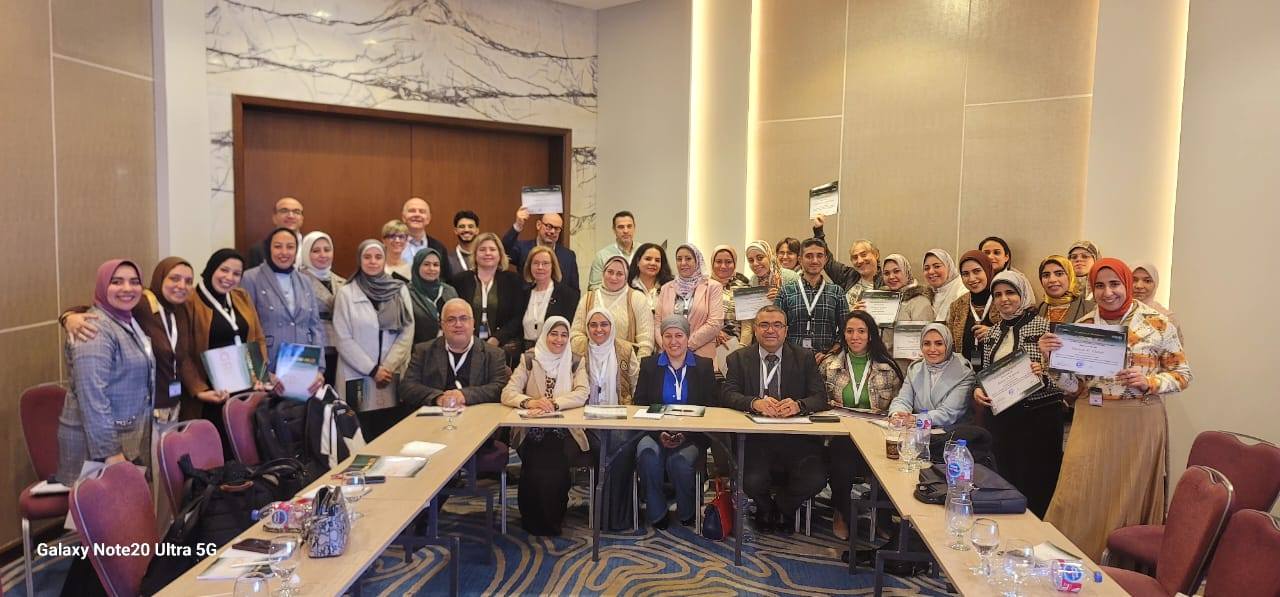
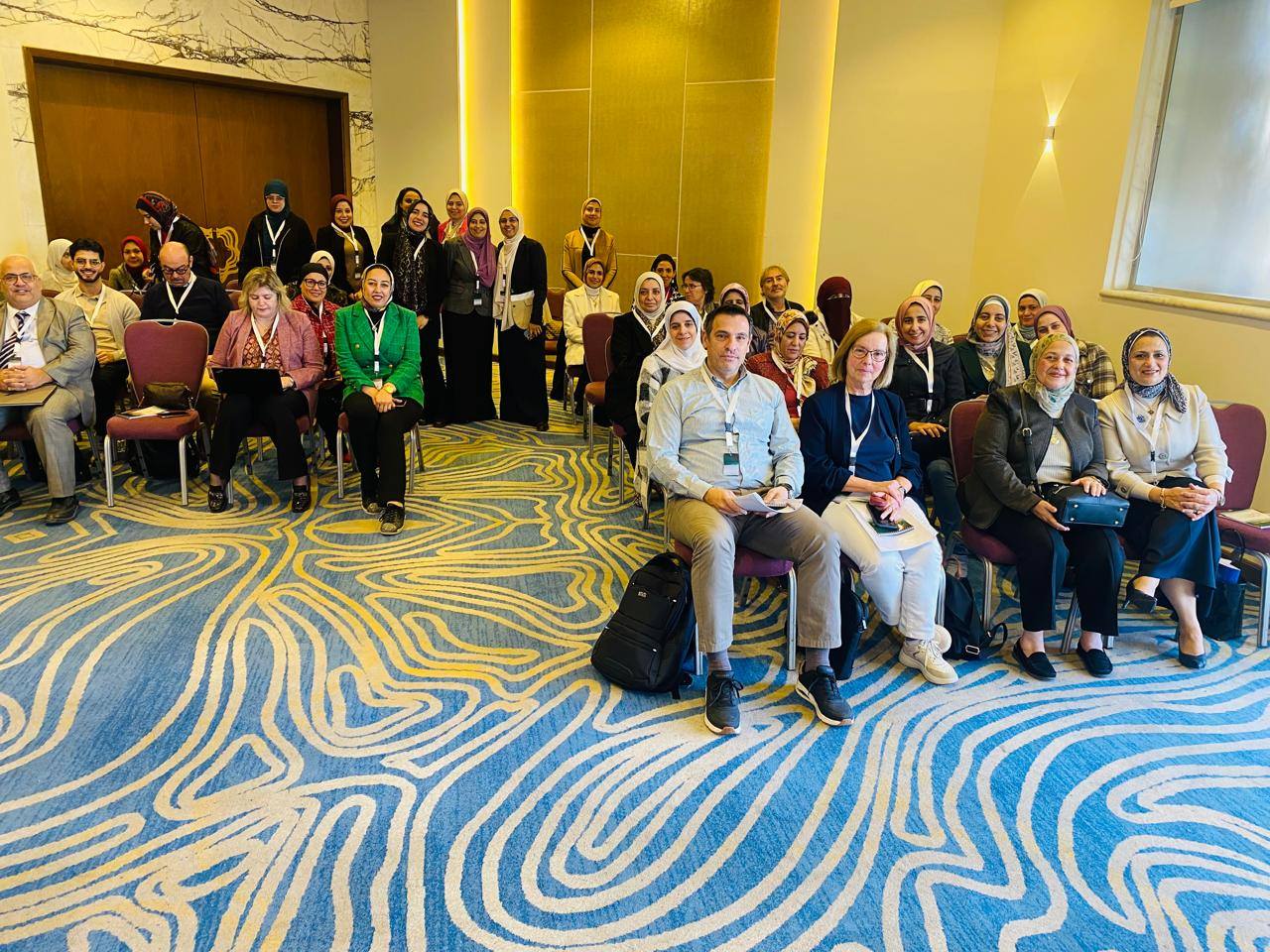
Unit for Combating Violence against Women at Alexandria University Organizes Seminar at Medical Research Institute on Physical and Psychological Abuse, How to Detect and Treat Them
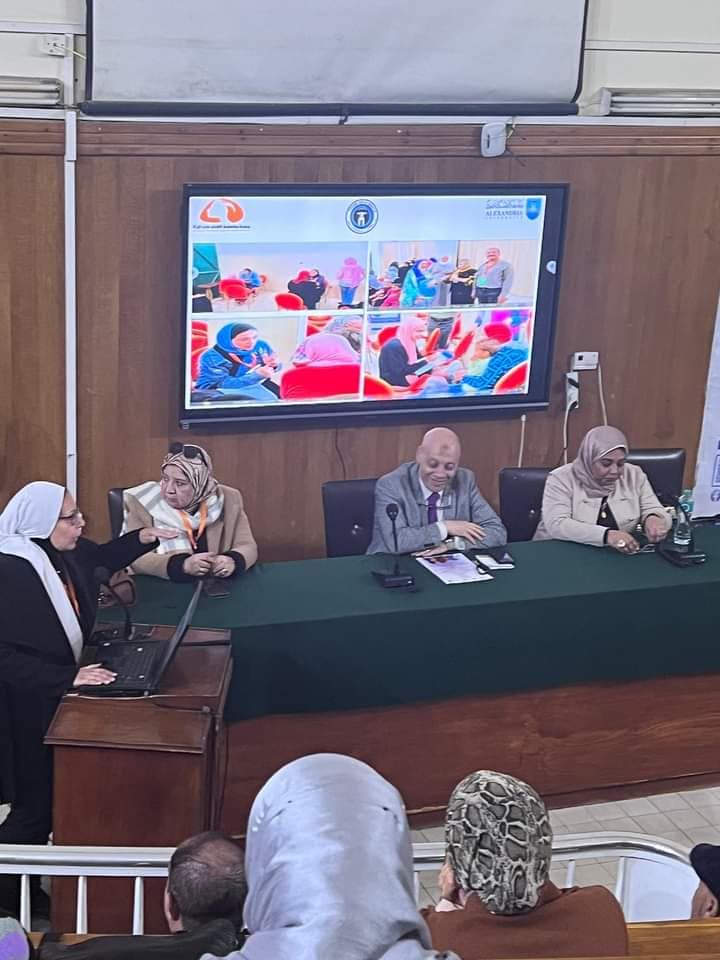
The Unit for Combating Violence against Women at Alexandria University organized a seminar at the Medical Research Institute entitled “Physical and Psychological Abuse and Ways to Detect and Treat Them”, with the participation of Professor Dr. Khaled Matarawi, Acting Dean of the Institute, Vice-Dean of the Institute for Community Service Affairs, in addition to unit coordinators, several faculty members and employees of the Institute.
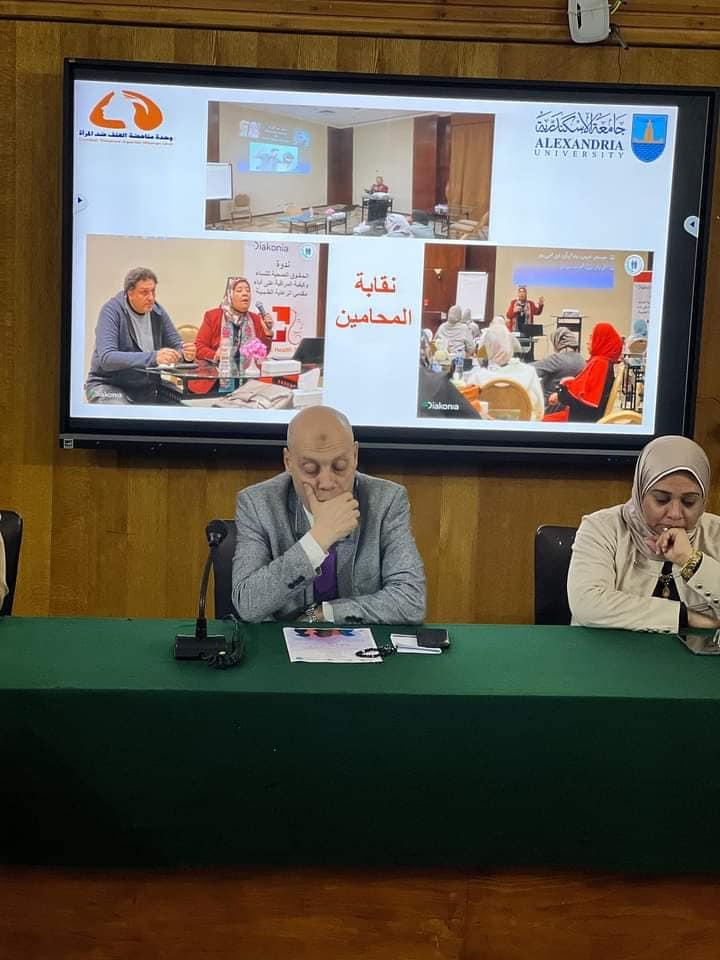
During the seminar, Professor Dr. Manal Fouda, Executive Director of the Unit, gave a presentation about the Unit, its most important achievements, and the services and support it provides to university members. Dr. Wafaa El-Sehli, Professor of Forensic Medicine and member of the Unit’s Board of Directors, gave a presentation on the most important forms of physical and psychological violence that have been documented globally and the widespread violent crimes. Dr. Marwa Ammar, Professor of Mental Health at the Faculty of Education, presented the most important forms of psychological violence and ways to detect and prevent them.
Constructive discussions took place between the platform and the attendees, which enriched the discussion and made it a fruitful interactive seminar.